
Weather Can Change Strength, Drying Time, and Surface Quality
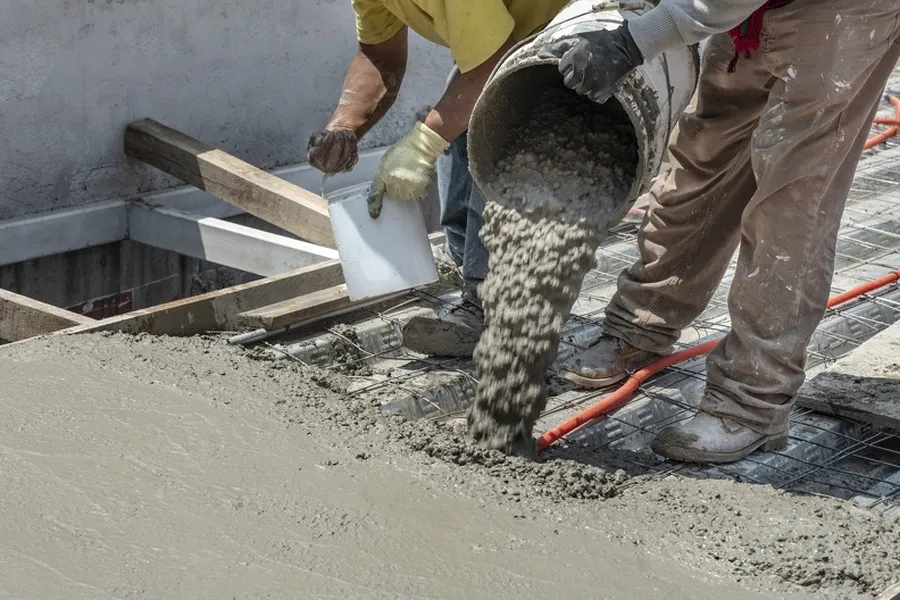
Weather has a big effect on concrete pouring projects. Hot air can make concrete dry too fast. Cold air can slow curing and weaken the final slab. Rain can wash away the surface and change the mix. Wind can pull out moisture before the concrete has time to set the right way. If you plan a slab, driveway, patio, or foundation in Murrieta, CA, it helps to match the work to the forecast and site conditions.
Quick Answer
The main issue is simple. Concrete needs the right balance of moisture, temperature, and time. When weather changes that balance, the pour can crack, scale, dry unevenly, or lose strength. Good planning, steady site prep, and the right timing help lower those risks. This applies to small home jobs and larger service category work alike.
What You Need Before Starting
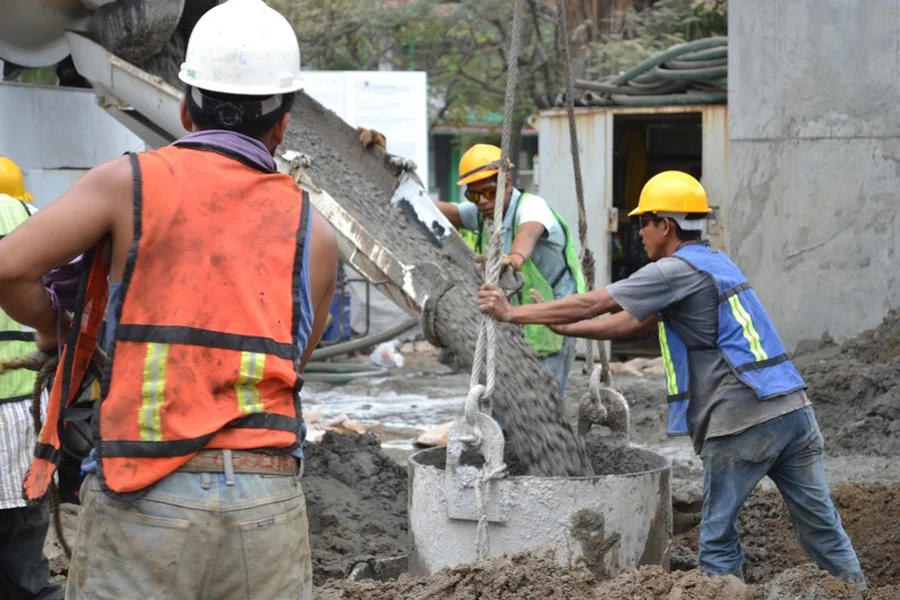
Before any concrete pouring job begins, the crew should check more than the calendar. A sunny day is not always a good day. High heat, strong wind, or cold ground can still cause trouble. The base should be ready, forms should be set, and tools should be on site before the truck arrives. Delays after the mix is placed can hurt the finish.
- A reliable weather forecast for the full pour day
- Ground that is graded and compacted
- Forms, tools, and finishing gear ready to go
- Water control plans for rain or runoff
- Shade, wind blocks, or curing covers if needed
- A backup date if the weather turns bad
Step-by-Step Process
Good results often come from a simple, careful process. Weather affects each step, not just the final finish.
- Check air temperature, ground temperature, wind, and rain chance.
- Prepare the subgrade so water does not pool under the slab.
- Set forms and confirm the site is ready before the truck arrives.
- Place the concrete fast enough to avoid cold joints.
- Strike off and level the surface while watching moisture loss.
- Finish at the right time, not too early and not too late.
- Start curing right away to help the slab gain strength.
- Protect the surface from heat, cold, rain, and traffic.
Common Weather Problems and Likely Causes
Hot weather can make the top dry much faster than the lower layer. That may lead to shrinkage cracks and a weak surface. Cold weather slows the set time. If temperatures drop too low, water in the mix can freeze before the concrete gains strength. Rain can mark the surface, add too much water, and leave a dusty top layer. Wind is easy to miss, but it can dry the slab fast, even on mild days.
Humidity also matters. Very dry air pulls moisture from fresh concrete. Very damp air can slow drying and change the finish schedule. A forecast that looks fine in the morning can shift by afternoon, which is why timing matters so much on pour day.
Common Mistakes to Avoid
Many concrete problems start with small choices. Adding extra water to make the mix easier to spread is a common mistake. It may help for a few minutes, but it can lower strength later. Another mistake is finishing too early while bleed water is still on top. That can trap moisture and weaken the surface. Some people also skip curing because the slab looks hard on top, but curing is a big part of long-term performance.
- Pouring during heavy rain without a protection plan
- Starting in peak afternoon heat on very hot days
- Ignoring strong wind because the sky is clear
- Placing concrete on frozen or very wet ground
- Adding water at the site without mix control
- Walking or driving on the slab too soon
What to Do in Hot, Cold, Wet, and Windy Weather
In hot weather, crews often pour early in the day. They may use sun shades, quick curing steps, and tight timing from truck to finish. In cold weather, the base may need to be warmer, and the slab may need insulated blankets after placement. In wet weather, the best move is often to delay the job if steady rain is expected. In windy weather, wind breaks and fast curing methods can help hold moisture in the slab.
Each weather type changes the pace of the job. A fast set in summer can shorten the finishing window. A slow set in winter can keep a crew on site much longer. That is why planning matters before the first load is poured.
When to Call a Professional
Simple jobs can still go wrong when weather gets rough. A professional should handle large slabs, structural pours, steep sites, and jobs with drainage issues. Help is also smart when the forecast is mixed, the ground is unstable, or the finished surface needs a clean, durable look. If a project has to stay on schedule during a tricky season, skilled planning can help avoid expensive repairs later.
It also helps to call a pro if an old slab failed in the past. Cracks, flaking, standing water, and uneven settling may point to drainage or base problems, not just bad luck with the weather. Fixing the root issue before a new pour can save time and stress.
Final Recommendation
Weather should always shape the plan for concrete pouring. The best pours happen when the site is ready, the forecast is watched closely, and curing starts right away. If the day is too hot, too cold, too wet, or too windy, waiting can be the smarter choice. A well-timed pour usually has better strength, a smoother finish, and fewer problems down the road.
Get Help With Your Project
For property owners in Murrieta, CA, we can help you plan around weather and site conditions before the work starts. Joe's Concrete & Masonry handles concrete pouring with careful timing, prep, and curing for better results. Call us at (951) 408-8002 to talk about your project and the best time to move forward.