
Signs Your Slab Needs a New Surface Layer
You can often tell when concrete needs resurfacing by looking for small cracks, pitting, stains that do not wash away, worn color, and a rough or flaky top layer. If the slab is still solid underneath, a new surface coat may help restore the look and improve daily use. In many homes and businesses in Murrieta, CA, these signs show up on driveways, patios, walkways, and pool decks after years of weather and foot traffic.
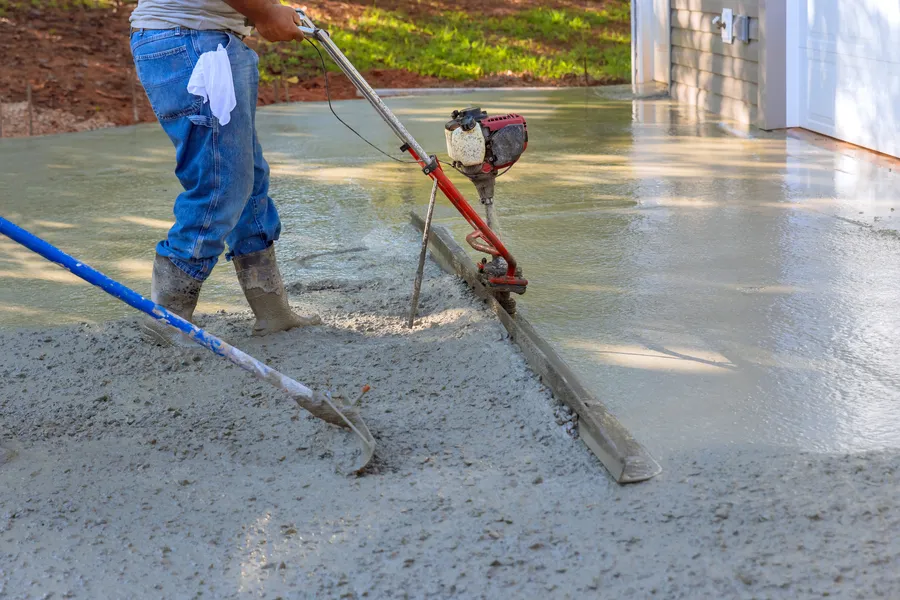
Quick Answer
Concrete resurfacing is a good option when the top layer looks old or damaged, but the base slab is still in decent shape. The goal is to cover minor surface flaws, not fix deep structural failure. If the concrete is sinking, rocking, or breaking into large sections, resurfacing may not be the right fix. A simple check is this: if the slab feels mostly level and firm, but the surface looks rough, faded, chipped, or lightly cracked, resurfacing may help.
What You Need Before Starting
Before you decide on any repair, take time to inspect the slab in daylight. Walk the full area slowly. Look at spots near edges, joints, drains, and places where water sits after rain. Bring a broom, a garden hose, and a notepad. Clean concrete makes damage easier to see. This is also a good time to think about the service category keyword. Even if the main issue is the slab surface, the full repair plan may connect with other site work around the area.
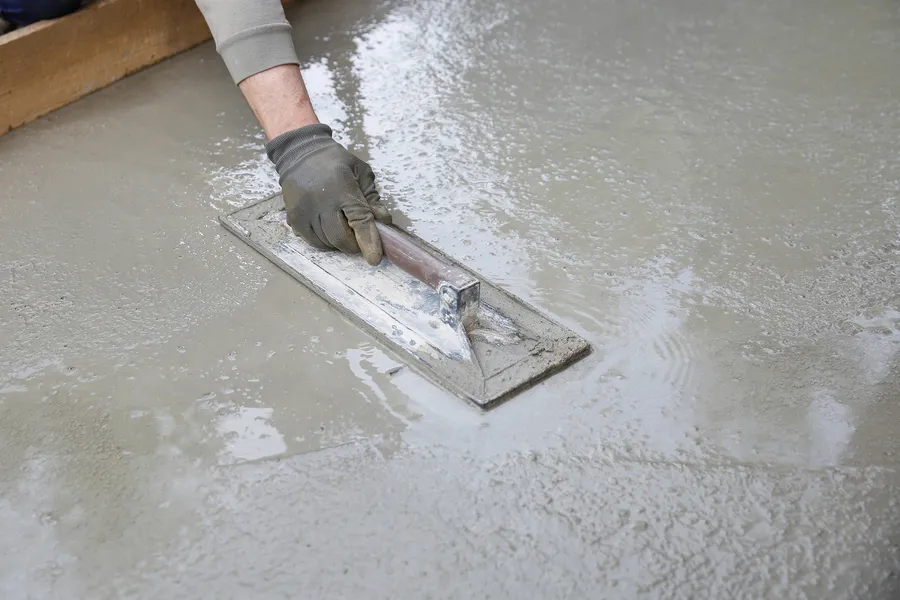
It helps to check a few basics before moving ahead with concrete resurfacing:
- Are the cracks thin and short, or wide and deep?
- Does the slab stay level when you walk on it?
- Are there low spots that hold water?
- Is the top layer peeling or flaking away?
- Do you see rust stains, oil marks, or heavy wear?
- Has the slab been patched many times before?
Step-by-Step Process
If you want to identify whether resurfacing makes sense, follow a simple inspection process from start to finish.
- Sweep the area well. Dirt can hide chips, pits, and fine cracks.
- Rinse the slab and let it dry. Water may reveal low spots and poor drainage.
- Check for hairline cracks. Small surface cracks are often fine for concrete resurfacing.
- Measure wider cracks. If they are large or keep growing, more repair may be needed.
- Look for surface scaling. This means the top layer is coming off in flakes.
- Press on weak-looking spots with your shoe. Loose or crumbly areas are warning signs.
- Notice color changes. Dark patches can point to trapped moisture or old stains.
- Watch how water moves. Standing water can wear the new coating faster.
- Check edges and corners. These places often fail first.
- Decide if the slab is cosmetic damage or structural damage. Cosmetic issues often suit resurfacing. Structural issues often do not.
Common Mistakes to Avoid
One common mistake is thinking every damaged slab can be saved with concrete resurfacing. That is not always true. A new surface layer can improve many worn slabs, but it cannot fix major movement below the slab. Another mistake is ignoring moisture problems. If water keeps getting under the slab or pooling on top, the fresh surface may wear out sooner.
People also miss damage because they only look at the center of the slab. Edges, joints, and shaded areas may show the first signs of trouble. Another problem is waiting too long. Small chips and light pitting are easier to deal with than large broken areas. Early action often gives better results and helps the slab last longer.
When to Call a Professional
Call a professional if you see wide cracks, uneven sections, deep spalling, or signs that the slab is moving. You should also get help if the concrete has many old repairs that keep failing. Some damage looks minor at first but points to a base problem below the surface. A trained crew can tell if concrete resurfacing is the right repair or if replacement makes more sense.
It also helps to call for expert input when the slab is in a high-use area. A busy driveway, entry path, or commercial walkway needs a repair plan that holds up well over time. If the surface must be slip resistant, drain well, or match nearby finishes, a professional can guide that process. This is very helpful when safety and appearance both matter.
Final Recommendation
If you are seeing rough texture, shallow cracks, worn color, stains, or flaking on a solid slab, concrete resurfacing may be a smart next step. If the slab is sinking, badly cracked, or unstable, a deeper repair may be needed first. We can inspect problem areas in Murrieta, CA and explain what makes the most sense. Contact Joe's Concrete & Masonry to talk through the condition of your concrete and ask about the next steps. Reach us at (951) 408-8002 and we will help you decide on a repair plan that fits your property.