
Simple Steps That Help the Job Come Out Strong, Level, and Long-Lasting
Quality control during concrete pouring starts with good planning, the right mix, a clean site, steady placement, and careful curing. Each step matters. If one part goes wrong, the slab, driveway, patio, or footing can crack, sink, or wear out too soon. In Murrieta, CA, good habits during the pour can help prevent weak spots, rough surfaces, and uneven results.
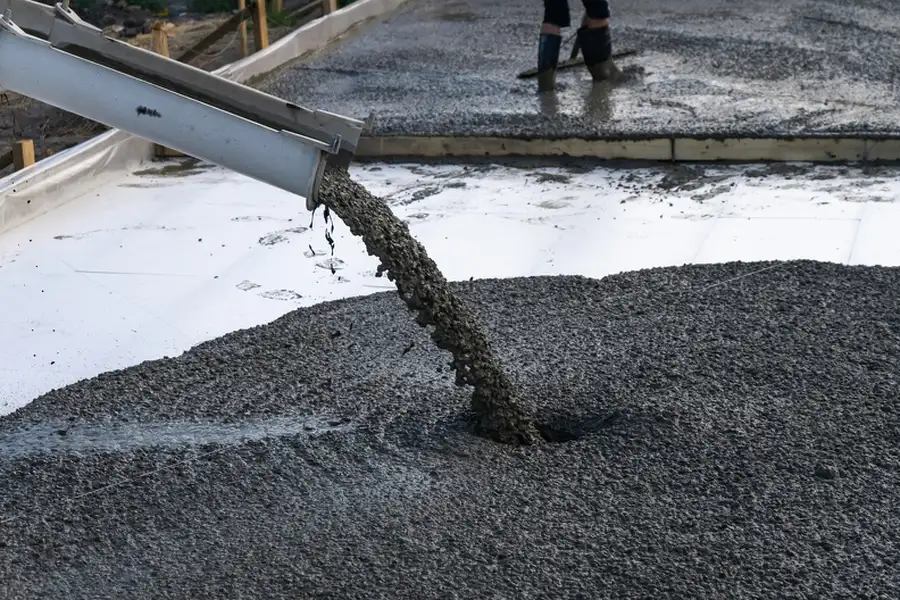
What You Need Before Starting
Before any concrete pouring begins, the crew needs to check the site, the forms, the base, the weather, and the materials. This is the part many people rush. That can lead to poor results later. A solid base should be compact and level. Forms should be straight and braced well. Tools should be ready before the truck arrives. The service category keyword also matters here because every part of the job should match the needs of the project.
It also helps to confirm the mix design before the pour. The right mix depends on the job. A sidewalk, slab, and footing may not use the exact same mix. Water should not be added without care. Too much water can make the concrete easier to place, but it can also make it weaker.
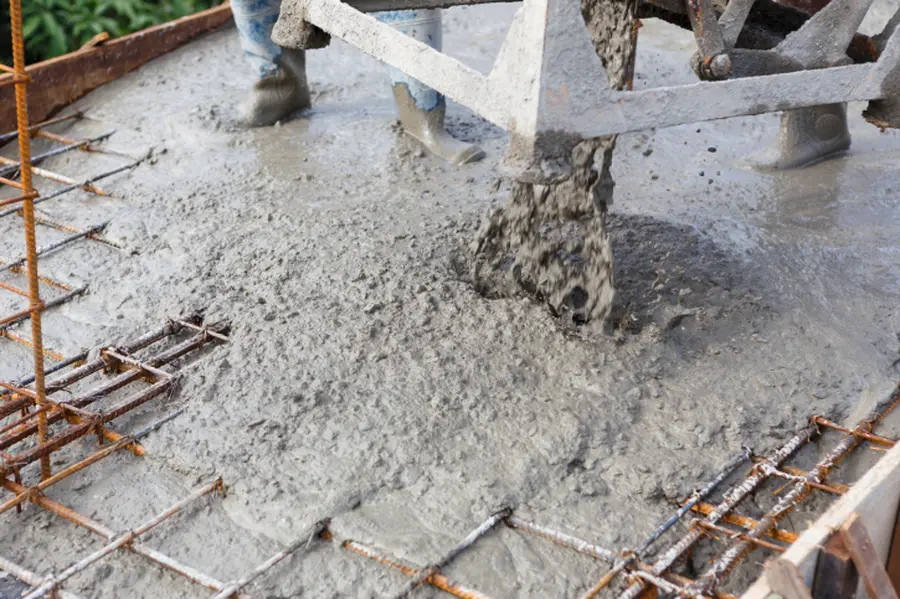
- Check soil and base compaction
- Inspect forms for line and strength
- Confirm rebar or mesh is set right
- Review the mix design and delivery time
- Have finishing and curing tools on site
- Watch the weather before the truck arrives
Step-by-Step Process for Better Quality Control
A clear process helps keep concrete pouring on track. Every crew member should know what happens next. That lowers mistakes and saves time during the pour.
- Prepare the subgrade and base. Remove soft spots, trash, and standing water. Compact the area well.
- Set forms and reinforcing steel. Check grade, spacing, and support so nothing shifts.
- Confirm the concrete mix on arrival. Make sure it matches the job needs.
- Place the concrete fast but with control. Do not let it pile too high in one area.
- Spread and level the mix evenly. Use rakes and screeds the right way.
- Consolidate the concrete if the job calls for it. This helps remove air pockets.
- Finish the surface at the right time. Starting too early can trap water and weaken the top layer.
- Begin curing soon after finishing. Keep the surface from drying too fast.
Timing is a big part of quality control. If the crew waits too long, the mix starts to set before it is placed and finished well. If they move too fast, they can miss signs of trouble like segregation, poor coverage around rebar, or low spots in the slab.
Common Mistakes to Avoid
Many concrete problems start during the pour, not after. One common mistake is adding extra water at the site. This may seem helpful, but it can reduce strength and lead to dusting or cracking. Another mistake is poor base prep. If the ground below is weak, the concrete above may settle or break.
Bad finishing is another issue. Finishing while bleed water is still on the surface can trap moisture. That can cause scaling or flaking later. Skipping curing is also a major problem. Concrete needs time and moisture to gain strength. If it dries too fast, the surface may shrink and crack.
- Adding too much water
- Pouring on an unstable base
- Using weak or loose forms
- Placing concrete too slowly
- Starting finishing too early
- Skipping curing after the pour
When Weather and Site Conditions Affect the Pour
Weather can change the outcome of concrete pouring in a big way. Hot days can make the mix set too fast. Wind can dry the surface before the inside gains strength. Cold weather can slow curing and may even freeze the mix if the job is not protected. Rain can damage the surface if it hits at the wrong time.
Site conditions matter too. A sloped yard, tight access, or soft soil can make placement harder. On larger jobs, the crew may need a pump, extra finishing help, or a different pour plan. Good quality control means adjusting to these conditions instead of treating every project the same way.
When to Call a Professional
Small pours may seem simple, but many jobs are harder than they look. A foundation, driveway, garage slab, or large patio often needs trained workers, proper grading, and close timing. If the site has drainage issues, poor soil, heavy loads, or steel reinforcement, expert help is a smart choice.
You may also want a professional if past pours on the property cracked, settled, or drained the wrong way. That can point to a deeper site problem. A skilled crew can test the base, review the forms, check the mix, and manage curing so the finished surface lasts longer.
Get Help for a Better Result
If you are planning concrete pouring in Murrieta, CA, we can help you avoid weak spots, cracking, and finish problems. At Joe's Concrete & Masonry, we focus on careful prep, steady placement, and proper curing from start to finish. Call us at (951) 408-8002 to talk with our team and set up your next project.