
How to Pick a Floor Design That Fits Your Home and Daily Use
choosing the right concrete stamping pattern for exterior floors starts with how the space will be used, how large it is, and the style of the home. A busy patio, pool deck, or walkway needs a pattern that looks good but also feels safe and easy to clean. In many cases, the best choice is a simple texture or stone-style layout that matches the home’s shape and does not make the area feel too crowded.
What You Need Before Starting
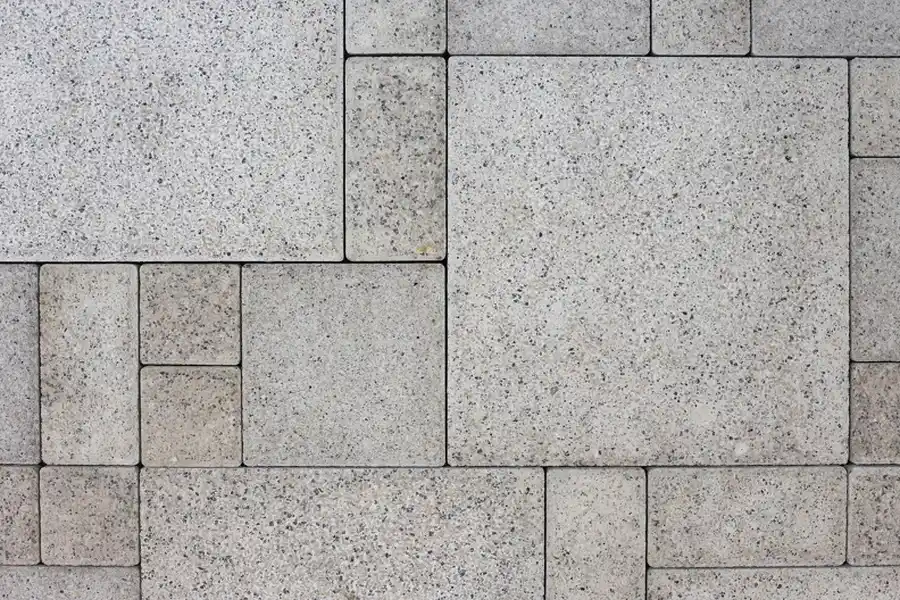
Before picking a stamped finish, gather a few basic details. Measure the space. Think about sun, rain, foot traffic, and nearby landscaping. Look at the color of the house, trim, roof, and hardscape. A pattern may look great in a photo, but it can feel too busy on a small floor or too plain on a large one. This is also a good time to think about the service category keyword and the full outdoor surface plan, not just one slab.
It helps to bring together photos of porches, patios, driveways, and garden paths you like. Try to notice what stands out. Is it the texture? The border? The joint layout? Sometimes people say they want a brick look, but what they really like is a soft color blend and a neat edge band.
Step-by-Step Process
A simple process can make choosing concrete stamping patterns for exterior floors much easier. Start with function, then move to style.
- Decide how the floor will be used every day.
- Pick a pattern scale that fits the size of the area.
- Choose a texture that gives enough grip.
- Match the pattern style to the home’s exterior.
- Select one main color and one accent color.
- Add borders only if they help frame the space.
- Review sample panels in outdoor light.
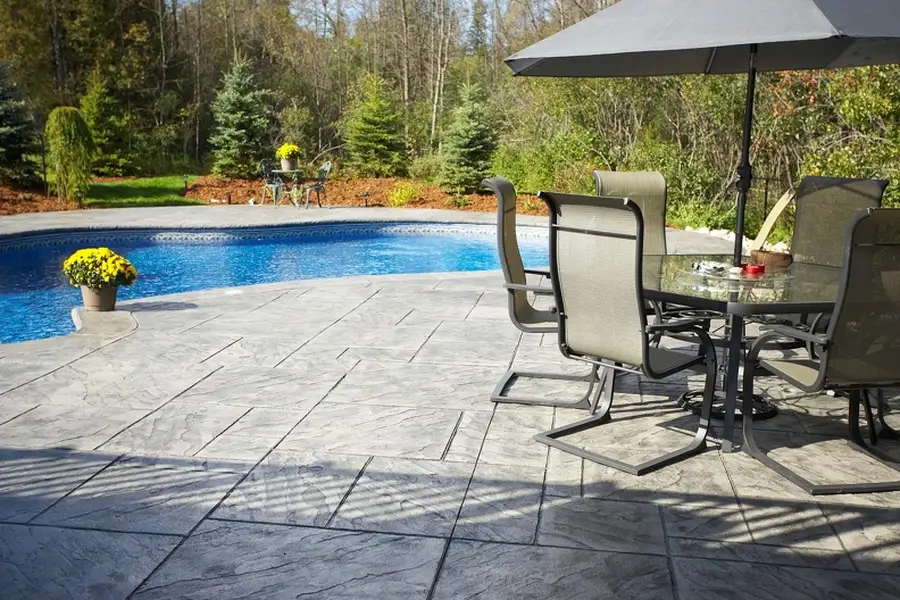
For example, a small front entry often looks better with a clean ashlar or slate pattern than with a large random stone layout. A pool deck usually needs texture underfoot, so a heavy gloss finish may not be the best choice. A backyard patio near a rustic home may look more natural with a wood plank or fieldstone effect.
Pattern size matters more than many people think. Large stamp shapes can make a narrow walkway feel uneven or out of place. Very small stamp details can make a wide patio look too busy. Good concrete stamping should support the shape of the space instead of fighting it.
Common Mistakes to Avoid
One common mistake is choosing a pattern from a small sample without seeing it across a larger area. A stamp that seems subtle on a sample board may become too bold once installed over hundreds of square feet. Another mistake is picking a pattern that does not match the home’s style. A formal brick look may feel odd next to a casual ranch house, while rough stone may clash with a very modern exterior.
Color can also cause problems. Very dark tones may show dust, pollen, and fade more in strong sun. Very light tones can hide some dirt, but they may not give enough contrast for the pattern to stand out. Another issue is skipping slip resistance. Exterior floors need to feel safe after rain, watering, or pool use.
- Do not choose pattern only from online photos.
- Do not ignore scale and room shape.
- Do not copy a neighbor’s design without checking your own layout.
- Do not use too many borders, colors, and textures together.
- Do not forget long-term cleaning and sealing needs.
When One Pattern Works Better Than Another
Some patterns fit certain spaces better than others. If the goal is a calm, clean look, ashlar slate and cut stone layouts are often a safe pick. If the goal is warmth and a more traditional feel, brick and cobblestone styles may work well. For homes with natural yard features, random stone textures can blend in nicely.
Here are a few simple matches by use:
- front walkways: medium-scale patterns with clear edges
- patios: stone or slate looks with soft color variation
- pool decks: textured finishes with good grip
- courtyards: brick or tile looks for a neat, framed feel
- large outdoor living areas: patterns with borders to break up open space
If the house already has strong visual detail, a quiet stamped pattern often works best. If the home exterior is plain, a little more texture and movement can add interest without making the floor feel crowded.
When to Call a Professional
Some choices are hard to make without seeing real samples and understanding site conditions. A professional can help if the floor has slopes, drainage concerns, mixed-use zones, or odd shapes. Help also makes sense when matching existing hardscape, planning borders, or deciding between several colors that look similar in shade. If you want the new work to tie into steps, coping, or nearby concrete, expert input can save time and prevent a result that feels off.
Professional guidance is also useful when the outdoor area gets lots of sun, leaf drop, water, or heavy traffic. These conditions affect color, texture, sealer choice, and long-term upkeep. The right pattern is not just about looks. It should also support safe use and easier care over time.
Final Recommendation
For homes in Murrieta, CA, we can help narrow down patterns that fit the space, style, and daily use. At Joe's Concrete & Masonry, we offer guidance on concrete stamping choices that look natural and hold up well outdoors. Call us at (951) 408-8002 if you’d like us to review ideas, samples, or a full exterior floor plan with our team.